How to Save Money as a Student in the Philippines (Even on a Small Allowance)
Your allowance is small, your wants are not. How Filipino students can budget their baon, cut school costs without missing out, and start their first ipon habit now.
 By the Iponista team · August 28, 2026 · 5 min read
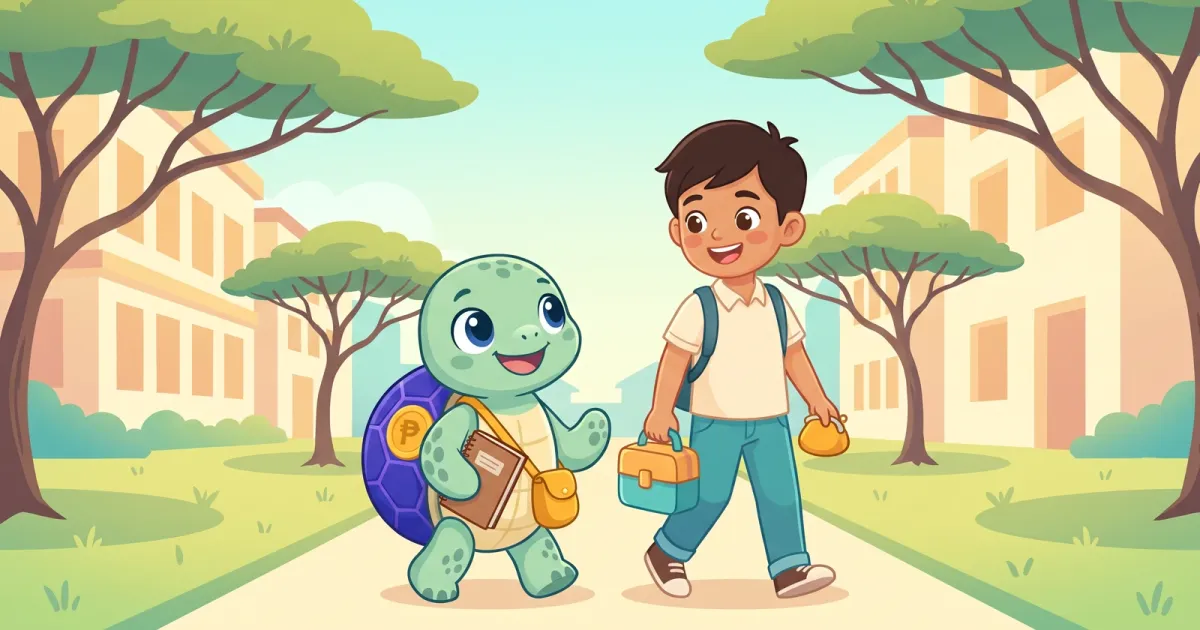
Being a student in the Philippines means juggling a lot: exams, org events, group projects, long commutes, and an allowance that somehow never lasts until Friday. If you're wondering how to save money as a student when there's barely any money to begin with, you're asking exactly the right question at exactly the right time. The habits you build with a small allowance are the same ones that will protect your first sahod later. And the good news is that they're easier to learn now, when the amounts are small.
This guide covers budgeting your allowance, cutting school costs without missing out, handling barkada spending, and starting your first ipon.
Start by knowing where your allowance goes
Before trying to save, spend one week writing down everything you buy. Fare, lunch, snacks, printing, load, milk tea, that ₱15 fishball after class. Don't judge it yet. Just record.
At the end of the week, group it: food, transport, school, load, fun. Most students find one category that's much bigger than expected, usually snacks and drinks. That's your starting point.
You can do this in a notebook or a notes app, or type it into Iponista as you go, like "fishball 15 cash," and it groups everything for you.
Budget your allowance by the week
If you receive your allowance weekly, budget weekly. If it's monthly, split it into four weeks so you don't run out in the third one. A simple split:
- Fare first. Set aside exact transport money for the week so you can always get to school.
- Food and baon next. Divide what's left for meals by the number of school days.
- School costs. Printing, projects, contributions.
- Ipon. A small, fixed amount.
- Fun. Whatever remains is guilt-free.
Keeping each part in a separate envelope or pocket makes it visible. Our guide to digital envelope budgeting shows how to do this with an e-wallet.
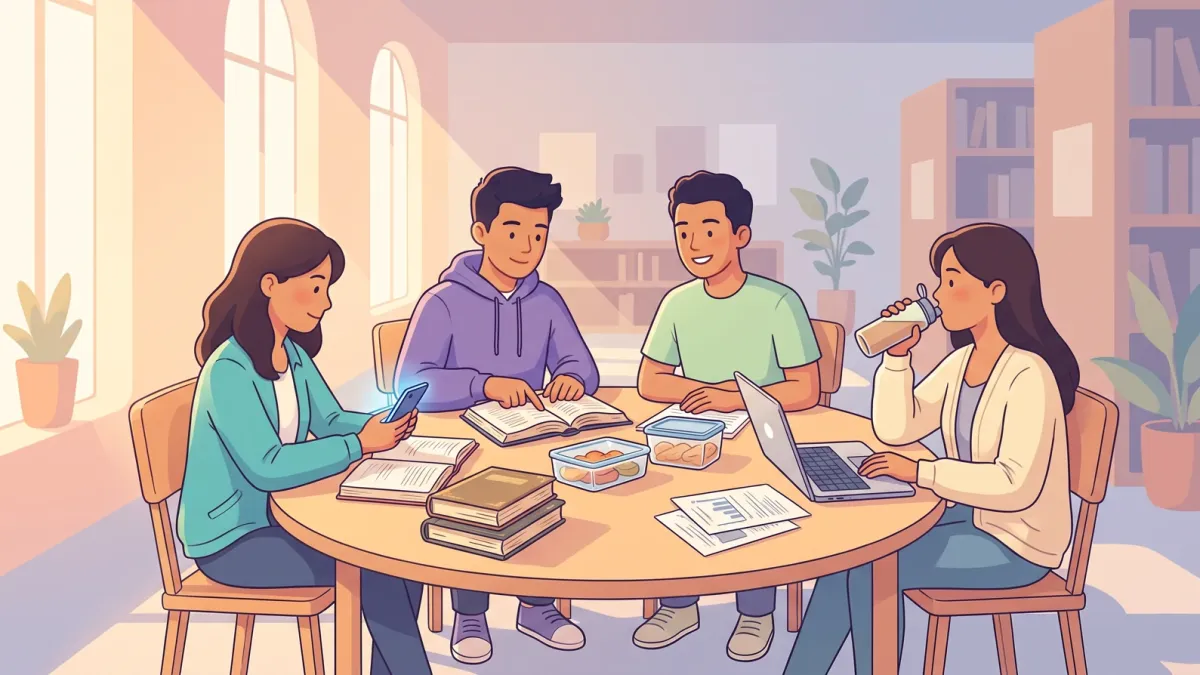
How to save money as a student on school costs
School has its own hidden expenses. A few ways to spend less without missing out:
- Buy secondhand books from older students, or share with classmates.
- Use the library for references instead of buying every book.
- Split printing and project costs fairly within the group, and agree on the budget before buying materials.
- Go digital when allowed: typed notes and shared files save on printing and photocopying.
- Ask about student discounts for transport, software and some stores. Always bring your school ID.
- Look for scholarships and assistance programs. Many are offered by schools, local governments and agencies. The Department of Social Welfare and Development also runs assistance programs for qualified families.
Baon: your biggest savings lever
Food is usually the biggest part of a student budget. Bringing baon, even three days a week, can free up a big share of your allowance. Rice and ulam from home, a boiled egg, fruit and a water bottle go a long way. Our cheap ulam ideas are easy enough to cook with family on a Sunday, and the daily baon budget guide has more ideas that work for students too.
On eat-out days, carinderias and school canteens are usually much cheaper than fast food or cafés.
Barkada spending without the pressure
Friends matter, and so do shared memories. But going out every time someone suggests it will drain any allowance. A few ways to keep both your friends and your ipon:
- Suggest cheaper hangouts: potluck at someone's house, a park, a free event, a study session with snacks.
- Pick your "yes" moments. Save your money for the events you really care about, like a birthday or the org's big event.
- Be honest. "Tipid mode ako this week, next time sasama ako" is completely normal. Real friends get it.
- Settle shared bills right away so small debts don't pile up between friends.
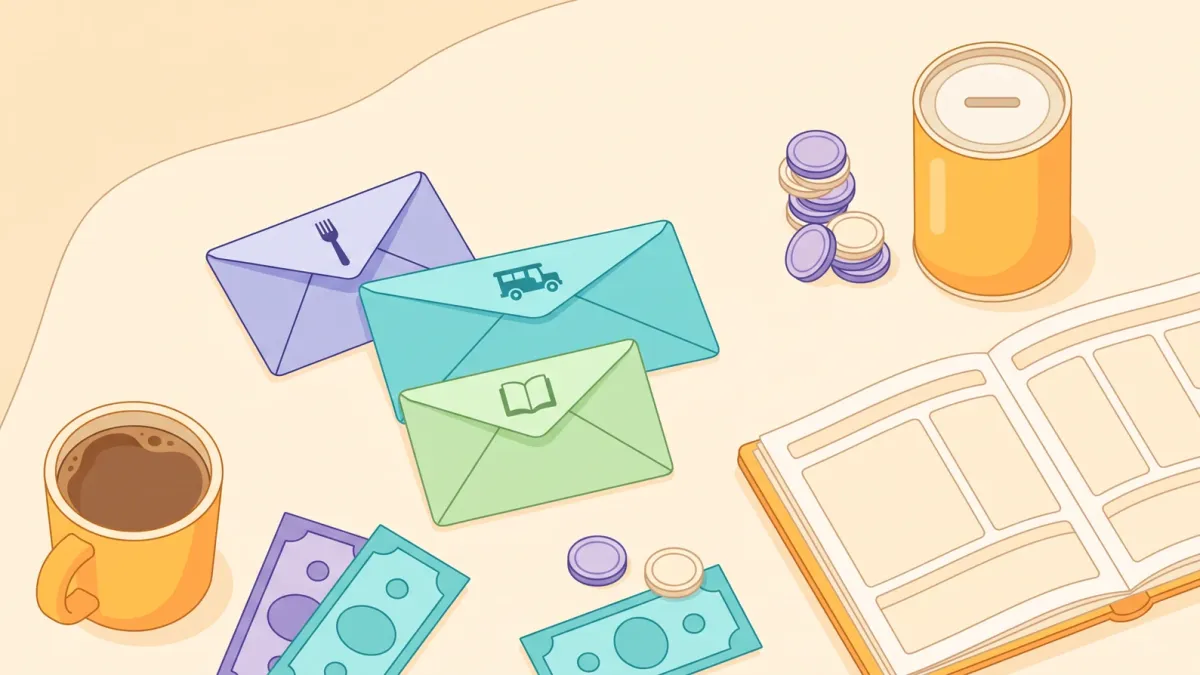
Start your first ipon
Even ₱20 a day adds up to around ₱600 a month and over ₱7,000 in a year. That's real money, earned by your own discipline. A few ways to start:
- Save first. Put the ipon aside the moment you get your allowance, not what's left at the end of the week.
- Try a small challenge. Our ipon challenge ideas include easy ones that fit a student budget.
- Keep it separate. An alkansya you can't easily open, or a savings account with a parent. If you use a bank, check that it's covered by the Philippine Deposit Insurance Corporation.
- Give it a goal. A new phone, a laptop for thesis, a trip after graduation. Goals make saving feel like progress, not sacrifice.
If you're a working student
Many Filipino students work part-time, freelance or help in a family business while studying. If that's you, money gets a little more complicated, and a little more exciting:
- Separate earnings from allowance. Treat your income like a mini sahod with its own plan.
- Pay school costs first. Tuition, fees and supplies come before anything else.
- Save a bigger share. Since your basic costs may be covered, saving 20–30% of what you earn is often realistic and builds a real cushion before graduation.
- Protect your grades. Work that costs you a semester costs far more than it pays. Set a limit on your hours.
If you do freelance work, our guide to budgeting on irregular income explains how to smooth out uneven months.
Money talks with your parents
Talking about allowance can feel awkward, but a clear conversation helps everyone. Share what your weekly costs actually are, show them your simple budget, and agree on what the allowance covers. Parents are often more open to adjusting it when they see you're managing it carefully, and it builds trust for bigger conversations later.
Protect your money online
Students are frequent targets of online scams: fake online sellers, "easy money" part-time jobs, and messages pretending to be your e-wallet. Never share your OTP or PIN, don't pay for "job registration," and be careful with deals that look too good. Our lesson on GCash, Maya and bank scams explains the most common tricks. The Bangko Sentral ng Pilipinas also has a financial education program with free resources for students.
Small wins to celebrate
Saving on an allowance takes real discipline, so notice your progress. Finished a week within budget? Hit your first ₱500 saved? Skipped three milk teas and bought the book you wanted instead? Those are wins. Celebrating small milestones makes the habit stick far better than guilt ever does.
Money skills now, less stress later
The skills you practice as a student, tracking, budgeting, saying no kindly, saving first, are exactly the ones that make your first job easier. When your first salary arrives, you'll already know what to do with it. Our guide to your first salary picks up where this one ends.
Want to make it easier? Iponista is free, works offline and never asks for your bank password. Track your allowance in Iponista, set a small weekly budget, and watch your first savings goal fill up. You can also take the free Iponista Academy courses and earn a certificate while you're at it.
This article is for education and general guidance, not personal financial advice.
Frequently asked questions
How much should a student save from their allowance?
Start small: 5–10% of your weekly allowance, or even ₱20 a day. The amount matters less than doing it every week so it becomes a habit.
Can students open a savings account in the Philippines?
Many banks offer kids' or student savings accounts, often opened with a parent or guardian. Check the requirements with the bank and confirm it's covered by PDIC deposit insurance.
How can I spend less on school without missing out?
Buy secondhand books, share printing costs, use the library, bring baon most days and choose cheaper hangouts with your barkada. Save your 'yes' for the events that matter most to you.
Should students use e-wallets?
They can be convenient and useful for tracking, but keep your PIN private, never share OTPs, and keep savings separate from the wallet you spend from daily.