Cheap Ulam Ideas: A Budget Filipino Meal Plan for the Whole Week
"Ano'ng ulam?" is the daily question that quietly decides your food budget. Twenty-five cheap ulam ideas, a sample week, and palengke tricks that stretch every peso.
 By the Iponista team · August 13, 2026 · 5 min read
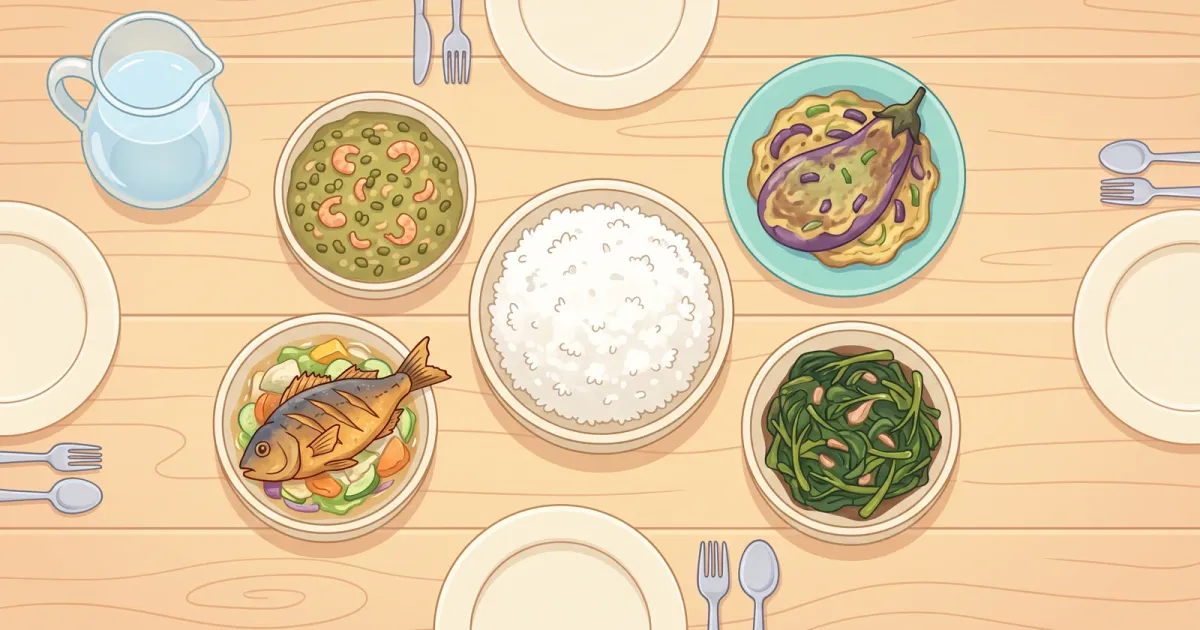
"Ano'ng ulam natin?" It's the question every Filipino household asks at least once a day, and quietly, it's one of the biggest money decisions you make. Food is often the largest flexible expense in the family budget, and the difference between planning your ulam and deciding at 6 p.m. can easily be hundreds of pesos a week. This guide shares cheap ulam ideas that are still masarap, a sample weekly meal plan, and palengke habits that help every peso stretch further.
No sad meals here. Filipino cooking has always been good at making a little go a long way. We're just making it intentional.
Why planning ulam saves so much money
When you decide dinner at the last minute, you usually end up paying more: a quick trip to the convenience store, food delivery because everyone's hungry, or a random palengke run where you buy more than you need. Unplanned meals also create waste. Half a cabbage rots in the ref, leftover rice gets thrown out.
A simple weekly plan fixes all of that. You buy what you need, you use what you buy, and the "ano'ng ulam?" stress disappears. If you'd like to see how food fits into the rest of your spending, our guide to family budgeting covers the whole household picture.
25 cheap ulam ideas that are still masarap
Prices change a lot with the season and your area, so check your local palengke. These dishes are consistently among the more affordable options.
Gulay and egg ulam
- Ginisang monggo (add malunggay or ampalaya leaves)
- Tortang talong
- Adobong kangkong
- Ginisang sayote
- Pinakbet
- Chopsuey (use whatever vegetables are cheapest)
- Ginataang kalabasa at sitaw
- Ginisang upo
- Scrambled egg with tomato and onion
- Laing (in areas where gabi leaves are cheap)
Tofu and fish
- Tokwa't baboy (heavier on tokwa, lighter on pork)
- Ginisang tokwa with vegetables
- Sardinas with misua or with sotanghon
- Pritong galunggong or tilapia
- Paksiw na isda
- Sinigang na isda
- Tuna sisig using canned tuna
Chicken and pork, stretched
- Chicken adobo with potatoes or boiled eggs
- Tinola with sayote or papaya and malunggay
- Giniling with potatoes, carrots and peas
- Chicken wings or thighs, fried or in adobo
- Pork or chicken sinigang with lots of vegetables
- Menudo-style dish with more potatoes and carrots than meat
Leftover-friendly ideas
- Adobo flakes from leftover adobo
- Sinangag with egg and any leftover vegetables or meat
How to stretch every ulam further
A few techniques experienced home cooks use all the time:
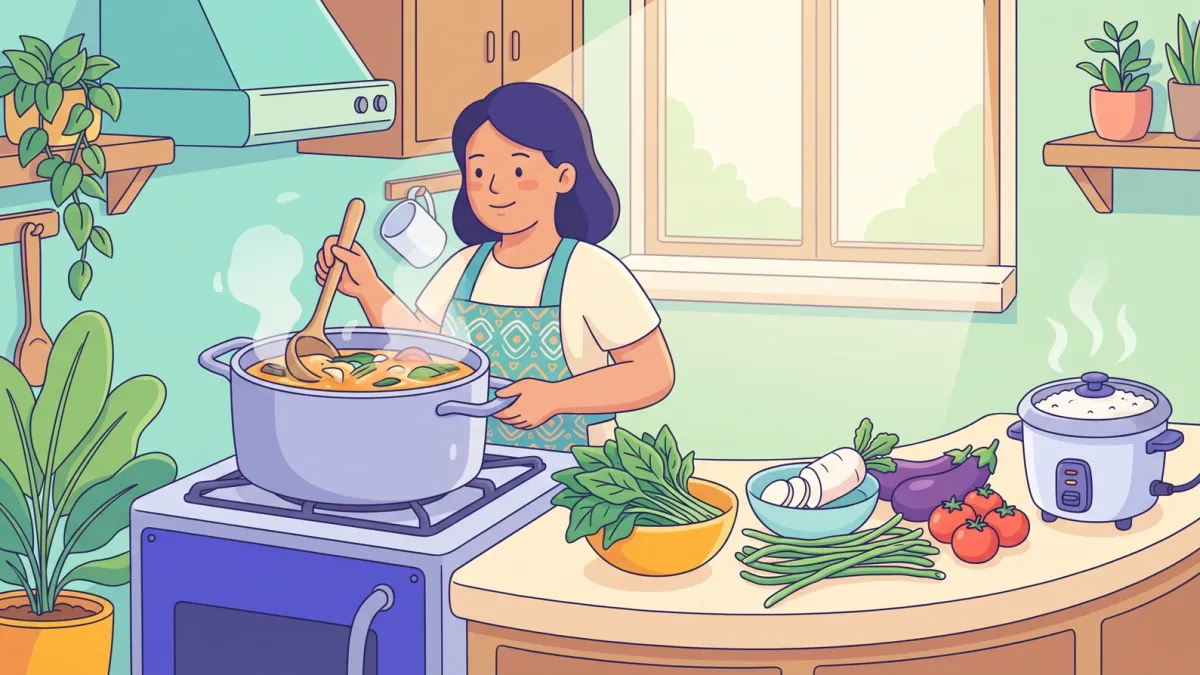
- Add vegetables to meat dishes. Potatoes, carrots, sayote, papaya and cabbage make a small amount of meat feed more people.
- Cook once, eat twice. A big pot of adobo or giniling can cover two dinners and a baon.
- Transform leftovers. Sinigang becomes a base for tomorrow's soup; adobo becomes flakes; rice becomes sinangag.
- Use eggs and tofu as protein on some days. They're versatile and usually cheaper than meat.
- Buy whole, portion at home. A whole chicken cut at home can be cheaper than pre-cut parts, and the bones make tinola broth.
A sample budget weekly meal plan
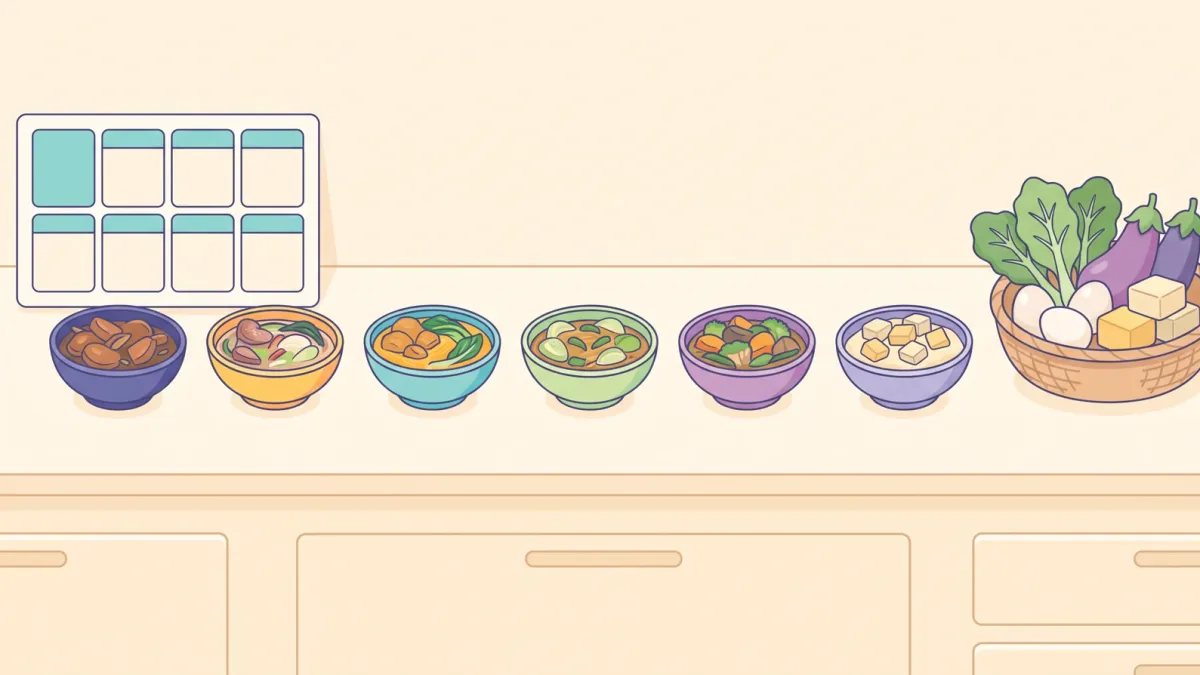
Here's an example dinner plan for a small family. Lunches can be the leftovers or baon, and the exact costs depend on your area and current prices.
| Day | Dinner | Leftovers become |
|---|---|---|
| Monday | Chicken adobo with potatoes and eggs | Tuesday baon |
| Tuesday | Ginisang monggo with malunggay | Side for Wednesday |
| Wednesday | Pritong galunggong with tomato and onion | — |
| Thursday | Giniling with vegetables | Friday baon |
| Friday | Tokwa't baboy with rice | — |
| Saturday | Sinigang na isda with lots of gulay | Sunday soup base |
| Sunday | Leftover night plus sinangag | — |
Notice how ingredients repeat: onions, tomatoes, garlic and potatoes show up in several dishes, so you can buy them in bulk and waste less. For more lunch ideas, see our daily baon budget guide.
Palengke tricks that stretch your budget
- Go with a list. The biggest overspending happens when you "look around." Our budget grocery list guide shows how to make one that sticks.
- Buy in season. Vegetables and fish in season are cheaper and fresher.
- Be a suki. Regular customers often get better prices, extra malunggay or first pick.
- Check the weighing. Watch the scale, and don't be shy about asking.
- Know fair prices for basics. The Department of Trade and Industry publishes suggested retail prices for basic necessities, and the Philippine Statistics Authority reports monthly price trends, which help you notice when something is unusually expensive.
- Shop later in the day for some items. Some vendors lower prices on vegetables near closing time, though selection is smaller.
Cheap ulam ideas for one person
Cooking for one has its own challenge: recipes make too much, and vegetables spoil before you finish them. A few ways around it:
- Cook two portions, not five. One for dinner, one for tomorrow's baon.
- Pick ingredients that work in several dishes. Eggs, tofu, canned fish, onions, tomatoes and malunggay can become a different ulam every night.
- Freeze in single portions. Adobo, giniling and sinigang base all freeze well.
- Buy vegetables tingi at the palengke. One talong, a small bundle of kangkong, a few pieces of sitaw. Vendors are used to it.
- Share with a housemate. Two people cooking together often spend less per person than two people cooking separately.
Stock a tipid pantry
A small stock of long-lasting basics means you can always make a cheap ulam without an extra trip:
- rice, monggo and dried noodles;
- canned sardines, tuna and corned beef for emergencies;
- garlic, onions, soy sauce, vinegar, patis and cooking oil;
- eggs, which last a while and turn into dozens of dishes;
- dried herbs and bouillon for quick soups.
When the pantry is stocked, "wala nang ulam" rarely means ordering delivery.
Cooking at home vs carinderia vs delivery
For one person with little time, a carinderia can be a reasonable choice, and it's usually much cheaper than delivery. For a family, cooking at home almost always wins per serving. Delivery is the most expensive option once you add fees and small-order charges, so it works best as an occasional treat, not a habit.
A useful exercise: for two weeks, log every food expense, including groceries, carinderia and delivery. You'll see exactly where your food money goes, and which change would save the most.
Track your food budget without the stress
Knowing your food spending is the first step to lowering it. In Iponista, you can log a palengke run or a carinderia meal in seconds, like typing "palengke 650 cash," and set a weekly or kinsenas food budget. Ponpon lets you know when you're running close, so you can switch to a gulay night before you go over.
Cheap ulam doesn't mean boring ulam. It means knowing what's for dinner before the hunger hits. Try the weekly plan above, track your food budget in Iponista, and move whatever you save into ipon. For more everyday habits, read our needs and wants test.
This article is for education and general guidance, not nutritional or financial advice.
Frequently asked questions
What are the cheapest Filipino ulam to cook?
Vegetable and egg dishes are usually the most affordable: ginisang monggo, tortang talong, adobong kangkong, ginisang sayote, and egg-based dishes. Tofu, canned fish and chicken parts like wings or thighs also stretch well.
How can I make ulam last for more meals?
Add vegetables to meat dishes, cook in batches, and turn leftovers into new meals, like adobo flakes, fried rice or torta. Planning the week also reduces waste.
Is it cheaper to cook or buy ulam from a carinderia?
For a family, cooking at home is usually cheaper per serving. For one person with little time, a carinderia can be reasonable. Compare your real costs, including gas and wasted food.
How do I plan a weekly meal budget?
Decide your food budget for the week, list seven dinners using what's in season, reuse ingredients across dishes, and shop with a list. Adjust next week based on what you actually spent.