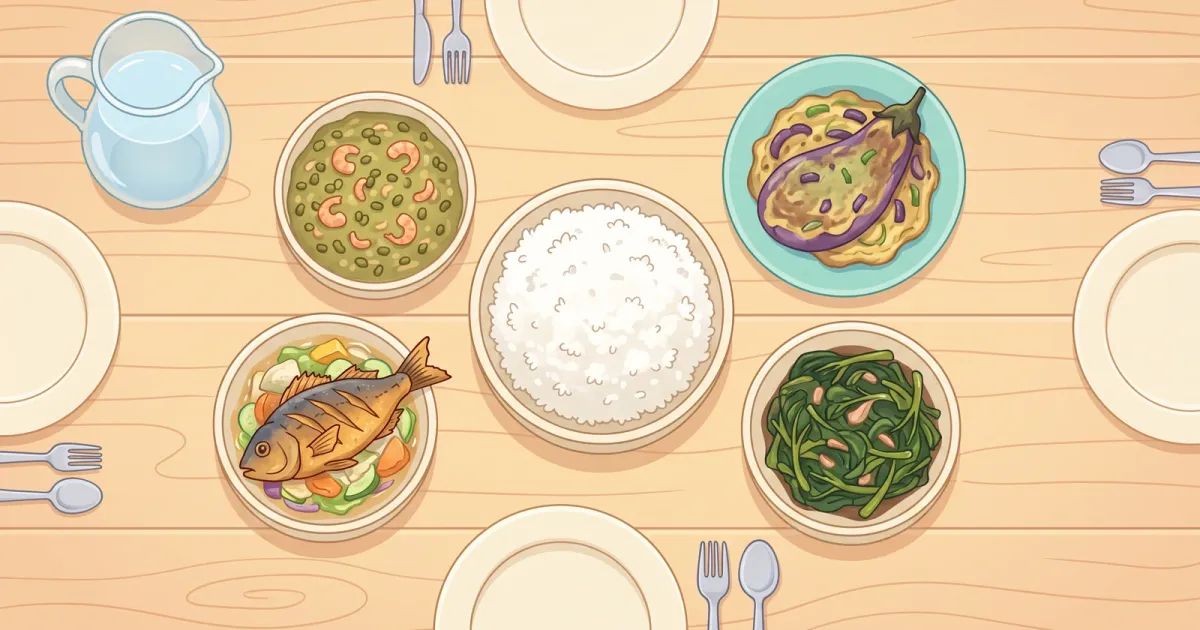
Budget Grocery List Philippines: How to Shop Smart and Stop Overspending
You went in for eggs and came out ₱1,800 lighter. A grocery list that fits Filipino kitchens, how to use it at the supermarket and palengke, and habits that cut waste.
 By the Iponista team · September 18, 2026 · 5 min read


You went in for eggs and pandesal. You came out with a cart full of snacks, a new shampoo you didn't need, and a receipt that made you do a double take. Sound familiar? A good grocery list is one of the simplest money tools there is, and one of the most underrated. It's the difference between shopping for your family and shopping for the store's promotions. This guide shows you how to build a budget grocery list that fits Filipino kitchens, how to use it at both the supermarket and the palengke, and the habits that cut waste.
Why a grocery list saves more than you think
Grocery stores are designed to make you buy more. Treats at the cashier, promo bundles at eye level, the "buy 2 take 1" that you didn't plan for. Without a list, you're deciding everything in the aisle, when you're tired or hungry, and that's when budgets break.
A list does three things. It limits impulse buys, it prevents double-buying things you already have at home, and it makes you plan meals ahead, which cuts food waste. For many families, those three together add up to a real chunk of the monthly food budget.
Step 1: Start with what you already have
Before writing anything, check the ref, the pantry and the bathroom cabinet. Note what's running low and what needs to be used soon. That half bag of monggo and the eggs that expire this week should shape this week's meals, not sit behind new purchases.
This two-minute check is also where you'll notice the patterns: the vegetables that always go bad, the snacks that disappear in a day. Buy less of the first and plan the second.
Step 2: Plan your meals, then list the ingredients
Instead of listing random items, start from meals. Decide roughly what you'll eat for the week's dinners and baon, then list the ingredients. Our cheap ulam ideas include a sample weekly plan that reuses ingredients across dishes, which makes the list shorter and the budget lighter.
A sample budget grocery list by category
Here's a starting grocery list for a small Filipino household. Adjust quantities to your family size.
Staples (buy per payday)
- Rice
- Cooking oil
- Soy sauce, vinegar, patis, salt, sugar
- Garlic and onions
- Coffee, milo or tea
- Noodles and pasta
- Canned sardines or tuna
Fresh (buy weekly)
- Eggs
- Vegetables in season: kangkong, pechay, sayote, talong, sitaw, kalabasa
- Tomatoes and calamansi
- Fish, chicken or pork for planned meals
- Tofu
- Bread or pandesal
Household (buy per payday or monthly)
- Bath and laundry soap
- Dishwashing liquid
- Toothpaste
- Tissue and trash bags
Kids and baon
- Snacks bought in bigger packs, portioned at home
- Juice or milk
- Fruit in season
Step 3: Set a grocery budget before you go
A list without a budget is only half a plan. Decide how much you'll spend on this trip, based on your food budget for the cutoff. Many families find that splitting food money into "big grocery trip per payday" and "fresh market money per week" works well with the kinsenas cycle. Our kinsenas budgeting guide shows how to set that amount.
If you use cash, bring only the budget. If you pay by card or e-wallet, keep a running total on your phone as items go into the cart.
Supermarket vs palengke: where to buy what
Both have a place:
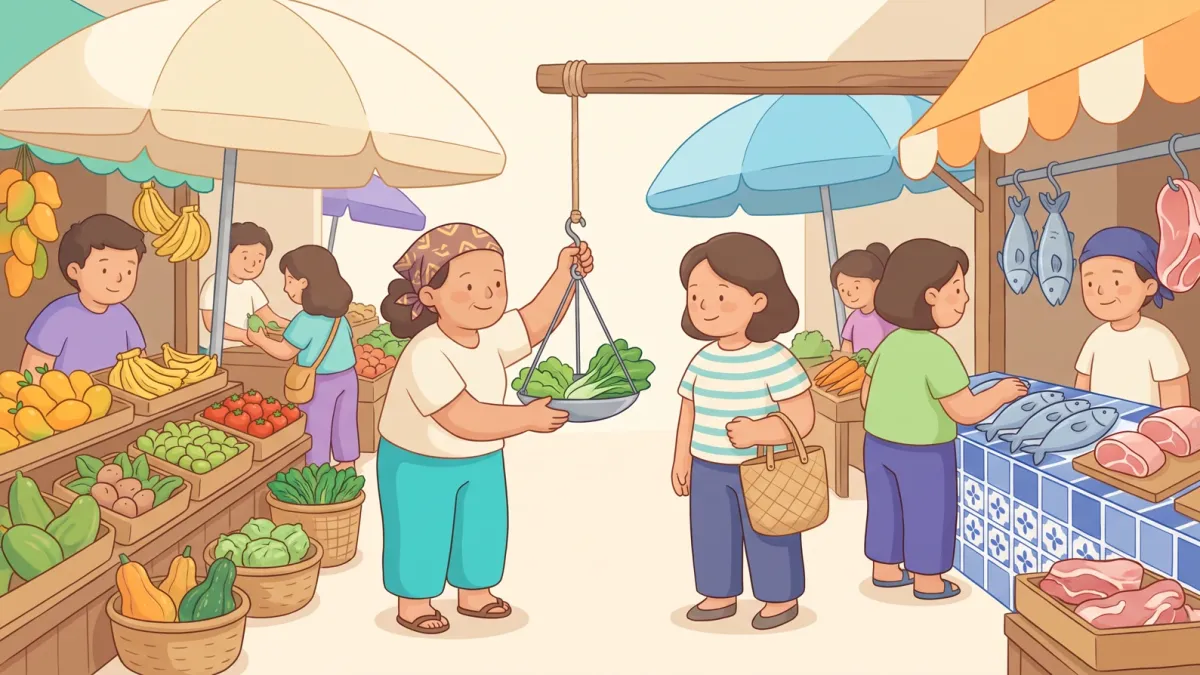
- Palengke: usually better for fresh vegetables, fish, meat and fruit. Prices can be lower and you can buy exact amounts. Being a suki helps.
- Supermarket: often better for packaged goods, household items and promos on bulk staples. Prices are fixed and easy to compare.
- Sari-sari store: convenient for small top-ups, but tingi items often cost more per piece over time.
Know fair prices for the items you buy most. The Department of Trade and Industry publishes suggested retail prices for basic necessities and prime commodities, and the Philippine Statistics Authority tracks price changes monthly.
Habits that cut grocery waste
Saving money on groceries isn't only about buying cheaper. It's about wasting less:
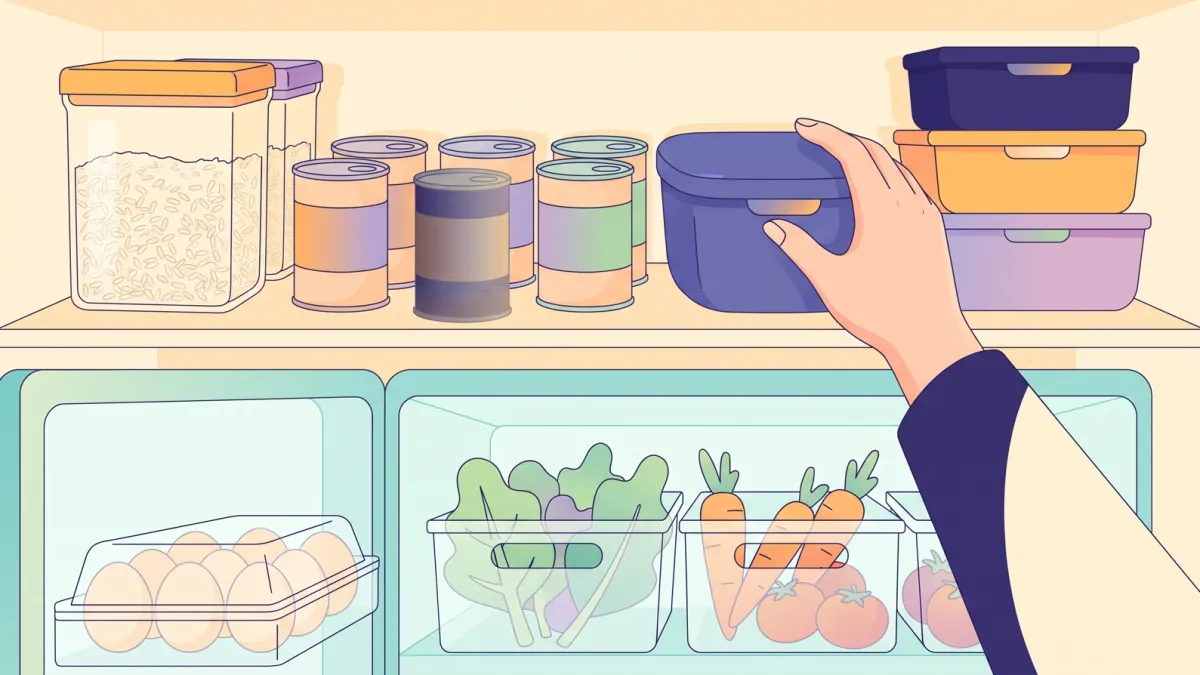
- First in, first out. Put new items behind older ones in the pantry and ref.
- Store vegetables properly. Wrap leafy greens in paper or cloth, keep onions and garlic in a dry, airy spot.
- Freeze extras. Portion meat into meal-sized packs before freezing.
- Plan a leftover night once a week to use what's left.
- Buy snacks in bigger packs and portion them at home instead of buying single-serve every day.
Shopping habits that protect your budget
A few rules of thumb:
- Eat before you go. Hungry shopping is expensive shopping.
- Go alone when you can, or with one helper. More people means more "pwede ba 'to?"
- Stick to the aisles on your list.
- Check the cart against the list before the cashier.
- Keep your receipts, or log the total right away.
A sample grocery routine for a kinsenas family
Here's one way a family can organize grocery shopping around two paydays. It's an example; adjust it to your household.
- Payday (15th and 30th): one bigger trip for staples and household items, following the list. Rice, oil, condiments, canned goods, soap and detergent for two weeks.
- Every weekend: a palengke run for fresh vegetables, fish and meat for the coming week's meal plan.
- Midweek: only small top-ups, like eggs or bread, from a set small budget.
This rhythm keeps the fridge fresh, prevents the "everything spoiled" problem and makes your food spending predictable per cutoff.
Grocery list mistakes to avoid
- Writing "etc." Vague items like "snacks" or "stuff for baon" invite overspending. Be specific.
- Buying for the ideal week. If you plan five home-cooked dinners but usually cook three, buy for three.
- Stocking up on sale items you rarely use. A bargain you throw away isn't a bargain.
- Forgetting non-food items. Toiletries and cleaning supplies often push the total over budget when they're not on the list.
- Shopping with a full cart mindset. Bring the right-sized basket. A big cart looks empty, and people fill it.
Keep last month's grocery receipts or logs nearby when you write the next list. They're the most honest guide to what your household actually uses.
Track what your groceries really cost
After a month of tracking, you'll know your real grocery spending and where the surprises are. In Iponista, log a grocery trip in one line, like "puregold 2350 gcash," and it goes into your Food budget automatically. Set a budget per kinsenas and Ponpon will tell you how much is left before the next trip.
A grocery list is small, boring and incredibly effective. Make one for your next trip, track your grocery spending in Iponista, and see how much stays in your wallet. For the bigger picture, our guide on how to save money on a regular sahod shows where to put the savings.
This article is for education and general guidance, not personal financial advice.
Frequently asked questions
What should be on a basic grocery list in the Philippines?
Rice, eggs, cooking oil, garlic, onions, tomatoes, soy sauce, vinegar, salt, canned fish, noodles, coffee or milo, bread, basic vegetables, and household items like soap, detergent and toothpaste.
How often should I buy groceries?
Many families do one big grocery trip per payday for staples and a quick palengke run once or twice a week for fresh food. This keeps waste low and matches the kinsenas cycle.
Is the palengke cheaper than the supermarket?
For fresh vegetables, fish and meat, the palengke is often cheaper and fresher. For packaged goods and household items, supermarket promos or bulk buys can be better. Compare the items you buy most.
How do I stop impulse buying at the grocery?
Shop with a written list, eat before you go, set a cash or budget limit, and avoid browsing aisles you don't need. Checking your list before the cashier catches extra items.