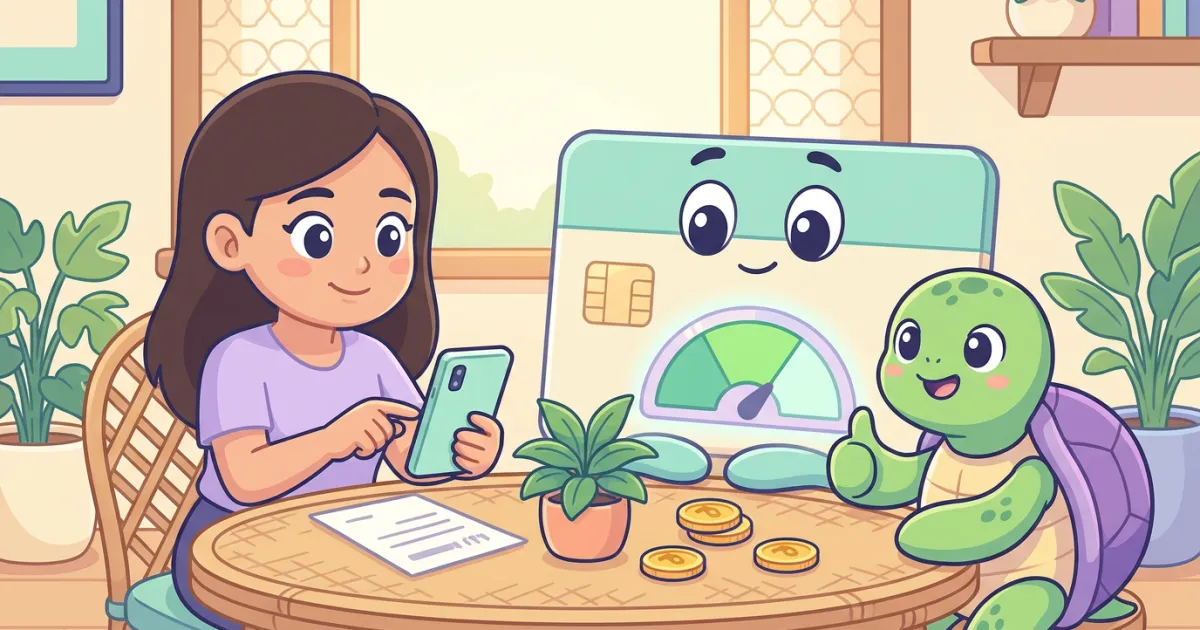
Credit Card for Beginners in the Philippines: 9 Rules Before You Swipe
A credit card can be a useful tool or a very expensive habit. Nine plain rules for your first card, from due dates to 0% installments, before the first statement arrives.
 By the Iponista team · September 19, 2026 · 6 min read

The approval text arrives and it feels like leveling up. A credit limit, a shiny card, maybe a welcome gift. Then the first statement comes, and suddenly there are two dates, a minimum amount, a total amount, and a line about "finance charges" you don't fully understand. If this is your first card, this credit card for beginners guide is for you: nine plain rules that keep a credit card working for you instead of the other way around.
None of this is complicated. It just isn't explained well when you apply.
How a credit card actually works
A credit card is short-term utang. Every swipe borrows money from the bank. At the end of each billing cycle, the bank sends a statement listing what you owe. You then have until the due date to pay.
If you pay the full statement balance by the due date, you generally don't pay interest on those purchases. That's the whole game. If you pay less, the unpaid part carries over and collects interest, month after month.
The Bangko Sentral ng Pilipinas sets rules on how much banks can charge on credit card balances, and they've changed over the years, so check the current ceiling and read your card's terms instead of relying on what a friend heard.
Rule 1: Know your two dates
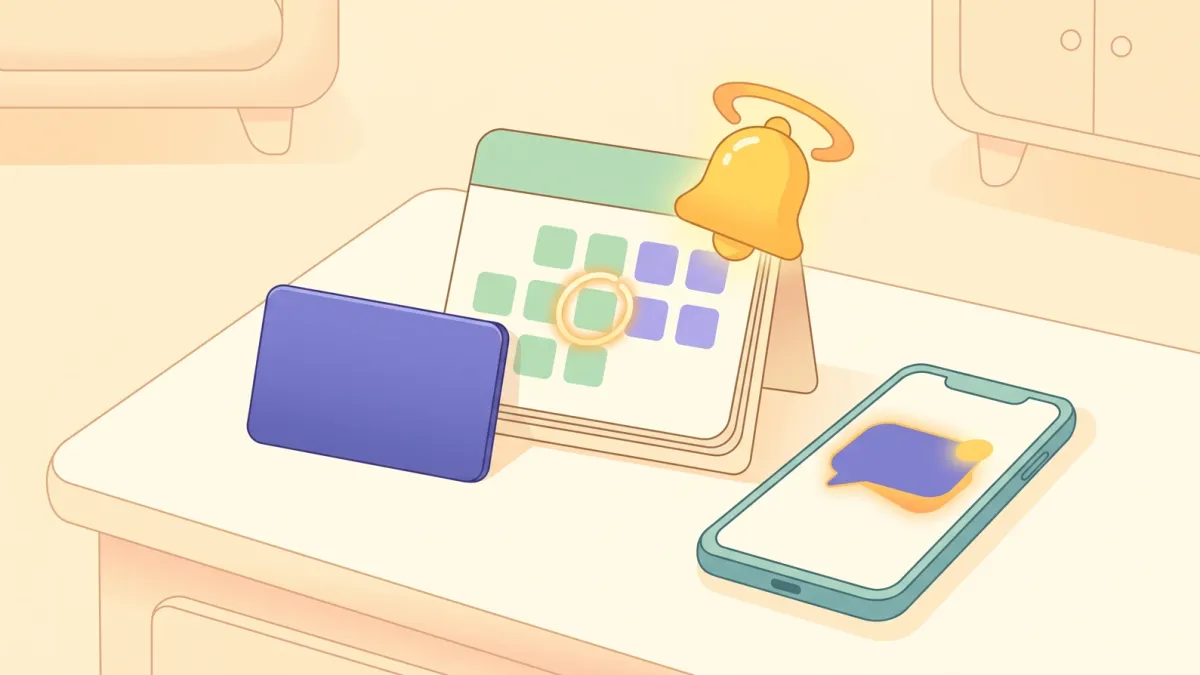
Every card has a statement date (when the cycle closes) and a due date (when payment is due). Write both down. Set a reminder a few days before the due date, not on it, because bank transfers can take time to post.
Rule 2: Pay the full statement balance, every time
This is the rule that matters most. The minimum payment exists, but it's a trap for beginners. Paying only the minimum keeps you out of trouble with the bank while the balance keeps growing with interest. Our Academy lesson on why paying only the minimum is expensive shows how slowly a balance shrinks that way.
If you can't pay in full, pay as much as you can, and stop using the card until the balance is cleared.
Rule 3: Only swipe what you already have
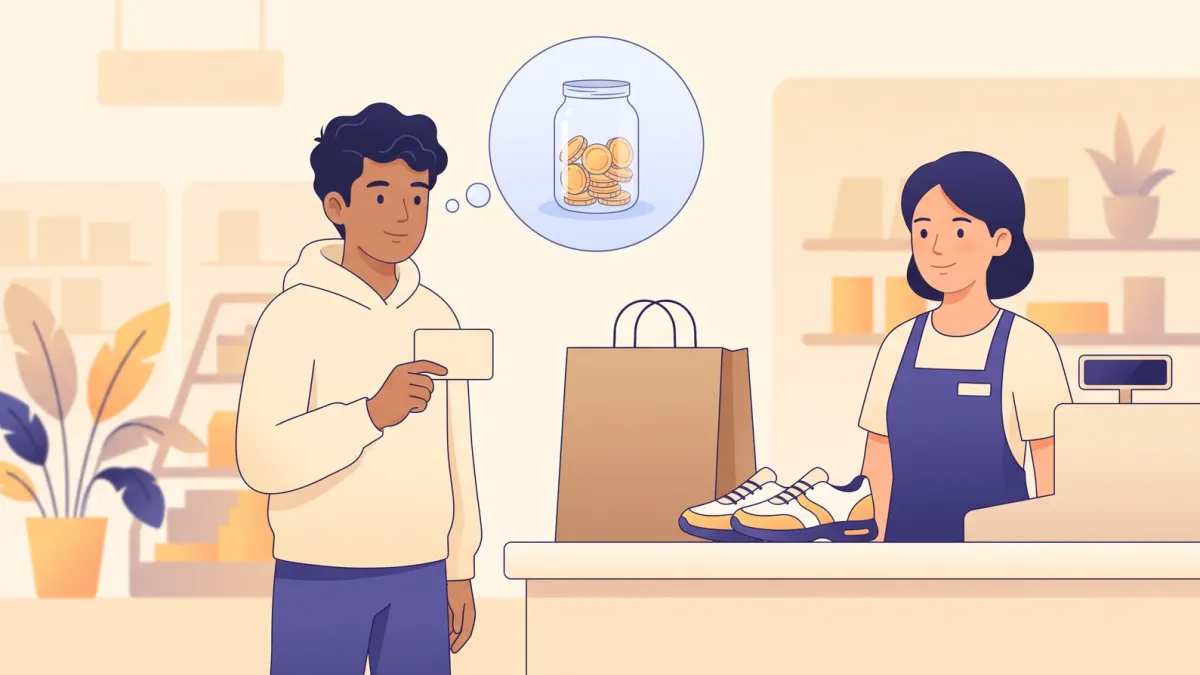
Treat your card like a debit card with a delay. Before buying, ask: "Do I have this amount in my account right now?" If not, you're not buying with a card; you're buying with future sahod that's already spoken for.
A helpful habit is to log card purchases the same way you log cash, so your budget stays honest. In Iponista, credit card spending counts against your budget when you buy, not when the statement arrives.
Rule 4: Be careful with 0% installments
"0% for 12 months" sounds free, and sometimes it nearly is. But watch out for:
- Processing or one-time fees that make it not quite 0%.
- Stacking. Three small installments feel light alone. Together, they can take a big bite out of every statement for a year.
- Available credit. The full purchase amount usually reduces your limit immediately, not month by month.
The same goes for paylater and buy-now-pay-later apps. Our lesson on the true cost of paylater and installments breaks down how these add up.
Rule 5: Keep your usage low
Just because your limit is ₱30,000 doesn't mean you should spend ₱30,000. Using only a small part of your limit makes the monthly payment manageable and keeps you from depending on credit to get through the cutoff.
Rule 6: Never use it for cash advances
Cash advances usually come with fees plus interest that starts right away, with no grace period. If you need cash for an emergency, that's what an emergency fund is for. It's one of the most expensive ways to borrow.
Rule 7: Understand the fees
Read the fee schedule once. Common ones include annual fees, late payment fees, overlimit fees and foreign transaction fees. Many banks waive the annual fee on request or when you reach a spending level, so it's worth asking politely.
Rule 8: Protect the card like cash
Credit card fraud often starts with a fake text or call. Never share your OTP, CVV or full card number with anyone who contacts you first, even if they claim to be from your bank. When shopping online, stick to reputable stores; for complaints about sellers, the Department of Trade and Industry handles consumer concerns. Our lesson on how to protect your money accounts covers the basics.
Rule 9: Plan the payment in your kinsenas budget
Your card's due date belongs to one of your paydays. Assign it the same way you'd assign rent or Meralco, so the payment is set aside the moment the right sahod arrives. Our kinsenas budgeting guide shows how to map bills to each cutoff.
Should a credit card for beginners have rewards?
Rewards points and cashback are nice, but they're a bonus, not a reason. The cashback on ₱10,000 of spending is tiny compared to the interest on an unpaid balance. For a first card, choose low fees and a limit you can handle over flashy rewards. You can chase points later, once paying in full every month is automatic.
Signs your card is becoming a problem
Be honest with yourself if you notice any of these:
- You pay only the minimum more than once in a row.
- You use the card for basics because cash ran out before payday.
- You don't know your current balance without checking.
- You feel anxious when the statement arrives.
If two or more sound familiar, stop using the card for now, list everything you owe and make a payoff plan. Our needs and wants test can help you trim spending while you pay it down.
Already behind? What to do this week
If your balance has grown past what you can pay in one month, don't panic, and don't ignore it. A few concrete steps:
- Stop using the card until the balance is under control. Keep it at home, or remove it from your online shopping apps.
- Write down the full picture: the balance, the interest rate on the statement and the minimum due.
- Pay more than the minimum every month, even if only a little more. Every extra peso reduces the balance that collects interest.
- Call the bank if you're struggling. Many banks offer payment arrangements or restructuring. It's better to ask early than to miss payments.
- If you have several debts, decide which to attack first. The debt payoff plan lesson explains the snowball and avalanche methods.
Missing payments can lead to late fees and collection calls, and it makes future borrowing harder. Getting ahead of it, even slowly, protects both your money and your peace of mind.
Let your app track the cycle
Credit cards are much easier when you can see the cycle clearly. Iponista tracks your card's statement and due dates, reminds you before the due date, and shows exactly how much to pay after the payments you've already made. Installments show what's left, without false "overdue" warnings.
Use your first card well for a year, and it becomes a quiet, useful tool. Add your card to Iponista and never guess your balance again.
This article is for education and general guidance, not personal financial advice. Always read your card issuer's current terms.
Frequently asked questions
What's the difference between the statement date and the due date?
The statement date is when your bank totals your purchases for the cycle. The due date, usually a few weeks later, is the last day to pay. Paying the full statement balance by the due date generally means you don't pay interest on those purchases.
Is paying only the minimum okay?
It keeps your account in good standing, but the unpaid balance keeps collecting interest, so the debt shrinks very slowly. Pay the full statement balance whenever you can.
Are 0% installments really free?
Sometimes, but check for processing or one-time fees, and remember each installment reduces your available credit for months. Several small installments can quietly add up to a big monthly obligation.
How many credit cards should a beginner have?
One is enough. Learn to manage one card well for at least a year before considering another.