Utang sa Kaibigan: How to Lend and Borrow Without Losing Friends
Pautang is part of Filipino life. So is the awkward silence when it isn't paid back. Practical rules for lending, borrowing and reminding, kindly and clearly.
 By the Iponista team · July 31, 2026 · 6 min read
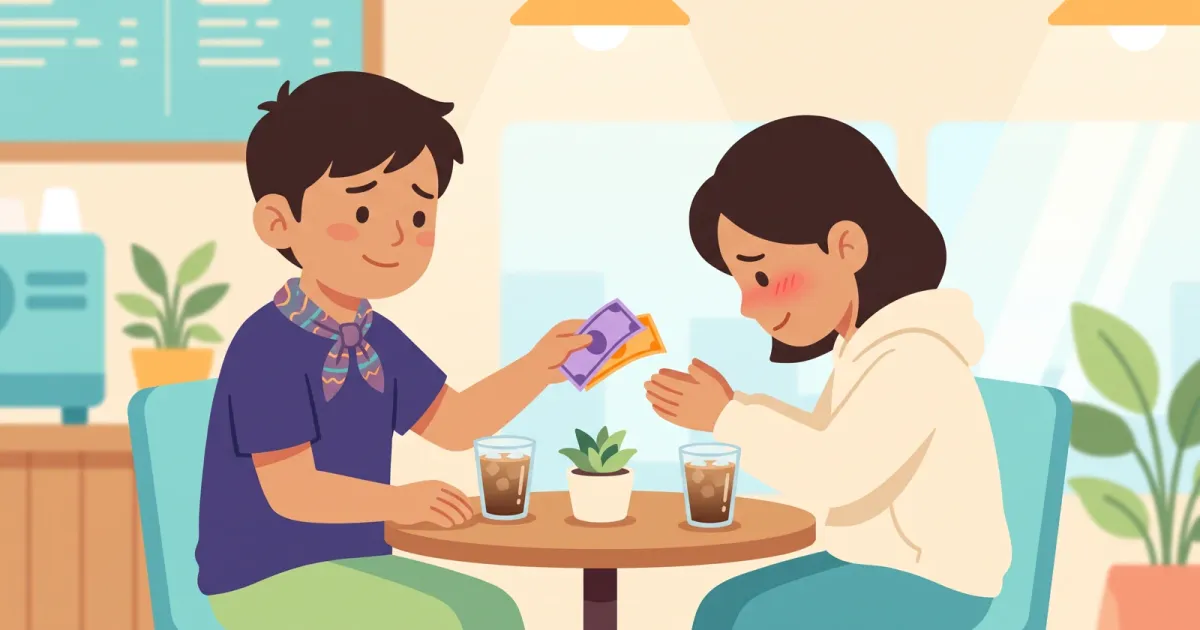
"Pwede ba akong mangutang? Babayaran ko sa sahod." Almost every Filipino has sent or received that message. Utang between friends and family is part of how we take care of each other. Someone's short on rent, a sibling needs tuition money, a friend's motorcycle broke down. We help. The trouble starts later, when payday comes and goes, nobody mentions it, and a friendship slowly gets quieter.
This isn't a guide about never lending. It's about lending and borrowing in a way that protects both the money and the relationship.
Why utang gets awkward so fast
Most utang between friends is informal. No amount written down, no date, just "sa sahod." That feels kind in the moment, but it creates two different memories of the same deal. The lender remembers "the 15th." The borrower remembers "when I can." Neither is lying. They just never agreed clearly.
Then there's hiya. The lender feels embarrassed to ask. The borrower feels embarrassed to be reminded, so they avoid the lender. Silence grows, and the friendship pays the price. Our Academy lesson on utang, pakaskas and hiraman covers the cultural side of this in more depth.
Before you lend: three honest questions
Ask yourself these before sending the GCash:
- Can I afford to lose this amount? Not "will they pay," but "if they don't, will I be okay?" If losing it means missing your own bills, lend less or not at all.
- What is it for? Helping with a hospital bill is different from funding a new phone. You're allowed to care about the reason.
- Have they paid back before? Past behavior is the best predictor you have. It's not judgment; it's information.
If the answer to the first question is no, it's okay to say: "Gusto kitang tulungan, pero ₱1,000 lang talaga ang kaya ko ngayon." Offering a smaller amount you can truly spare is still help.
How to lend utang without ruining the friendship
If you decide to lend, a few small habits make everything easier later:
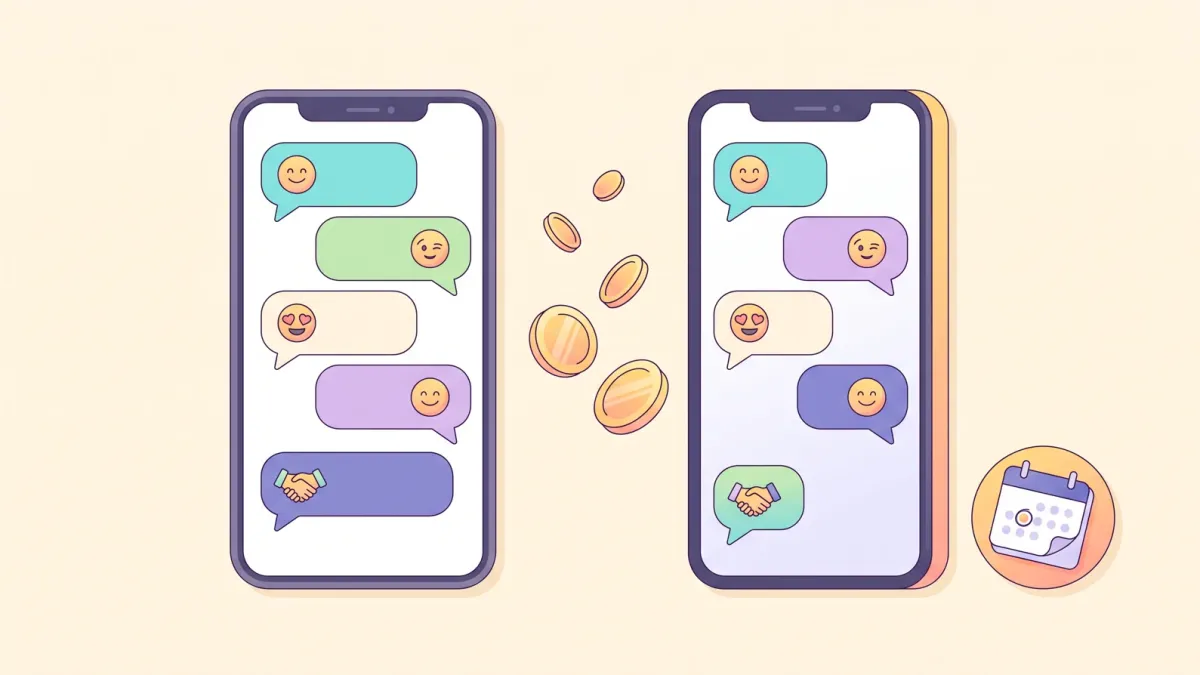
- Agree on a date and amount, in writing. A simple chat message is enough: "₱3,000, babayaran sa 30th, okay?" It's not about distrust. It's about both of you remembering the same thing.
- Offer installments. "₱1,000 every payday" is often easier for the borrower than one big payment, and much more likely to happen.
- Send it with a reference. If you lend by bank transfer or e-wallet, the transaction record is your receipt.
- Keep it private. Never bring up utang in front of other people or in a group chat. Nothing kills a friendship faster than public shame.
How to remind someone about utang (templates that work)
Reminding isn't rude. Letting it slide and then resenting them is worse for both of you. A good reminder is friendly, specific and easy to respond to.
A gentle first reminder, a day before the date: "Hi! Reminder lang sa ₱3,000 bukas, ha. Salamat!"
When the date has passed: "Hello, kamusta? Yung ₱3,000 pala na napag-usapan natin for the 30th. Okay lang ba if partial muna this sahod, tapos yung rest sa next?"
When it's been a long time: "Hi, gusto ko lang maayos natin yung ₱3,000. Wala akong sama ng loob, pero kailangan ko na rin talaga. Ano ang kaya mo per payday?"
Notice what these have in common: the exact amount, no accusations, and an easy next step. Offering a partial payment option removes the borrower's excuse to avoid you.
When you're the one who borrowed
If you owe someone, the kindest thing you can do is communicate before they have to ask.
- Pay on the date, even partially. A partial payment with a message says "I haven't forgotten you."
- If you can't pay, say so early. "Pasensya na, hindi ko kaya buo this 15th. Pwede ₱500 muna, tapos ₱500 every payday?" People forgive delays. They rarely forgive silence.
- Don't borrow from one friend to pay another. That's how one small utang becomes a chain. If you're borrowing just to cover basics every month, our lesson on when you borrow just to get by offers a gentler way out.

Split bills and pakaskas: small utang that adds up
Not all utang starts with "pwede ba akong mangutang." A lot of it starts at dinner: "Ikaw muna magbayad, bayaran ka na lang namin." Or a friend asks to use your credit card for an online purchase, promising to pay it back monthly. That's pakaskas, and it's very common.
These small arrangements are where friendships quietly get strained, because nobody writes them down. A few habits keep them clean:
- Settle group bills the same day. Split the total in the group chat before leaving the restaurant, and ask for payment by GCash right away.
- For pakaskas, treat your card like it's yours to protect. If a friend misses a payment, you still owe the bank, with interest. Only do it for people with a strong track record, and only for amounts you could cover yourself.
- Keep a running list. Who paid for what, and who still owes. Memory is generous to the person who owes.
Iponista handles this without messing up your own budget. When you pay for a friend's share or swipe your card for their purchase, you can record it as money they owe you, so it doesn't count as your spending. When they pay you back, one tap settles it.
When it's family
Utang within the family is harder, because the rules are softer and the stakes are higher. A few realistic approaches:
- Decide if it's a loan or a gift before you send it. If you already know you won't ask for it back, call it tulong and let it go. You'll feel better, and so will they.
- Set a yearly "help budget." If relatives regularly ask, decide ahead how much you can give per year. When it's used up, you can say no honestly.
- Be careful with your own safety net. Lending your emergency fund leaves you exposed. Keep at least part of it untouchable.
If you're the breadwinner and requests never stop, you're not alone. The breadwinner squeeze lesson has practical scripts for this exact situation.
Why online lending apps aren't the easy answer
When friends can't lend, many turn to online lending apps. Some are legitimate; many are not. Before borrowing, check that the lender is registered with the Securities and Exchange Commission, read the total cost, not just the "small" daily interest, and know that harassment, like contacting your phone contacts, is not allowed. Our guide to online lending apps and your rights explains what to watch for. For complaints about banks and e-wallets, the Bangko Sentral ng Pilipinas has a consumer assistance channel.
If you're juggling several debts already, the debt payoff plan lesson walks through the snowball and avalanche methods.
Keep track, both ways
The simplest way to keep utang from turning awkward is to keep it visible. In Iponista, you can record who owes you and who you owe, with due dates and a reminder before each one. When they pay, even partially, you mark it in one tap, and the balance updates. It also handles split bills with barkada, so a group dinner doesn't quietly become three small utangs nobody remembers.
Lend kindly, borrow honestly and write it down. That's usually enough to keep both the money and the friendship. When you're ready, start tracking your utang free.
This article is for education and general guidance, not personal financial or legal advice.
Frequently asked questions
How do I remind a friend about utang without being rude?
Be specific and friendly, and give an easy next step: mention the amount, the date you agreed and ask if a partial payment this payday works. Keep it private, never in a group chat.
Should I lend money to friends at all?
Only lend what you could afford to lose without resenting it. If losing that amount would hurt you or your bills, it's okay to say no or offer a smaller amount.
What if a family member never pays back?
Decide whether to treat it as a gift and move on, or to set a clear rule for future requests. Either choice is valid; staying silently resentful is the one that damages relationships.
Is it okay to borrow from online lending apps instead?
Be very careful. Check that the lender is registered with the SEC, read the total cost, and know your rights against harassment. For most people, a small emergency fund is a far better first line of defense.