Side Hustle Ideas in the Philippines (and How to Budget the Extra Income)
A side hustle can turn a tight sahod into breathing room, or quietly eat your weekends for nothing. Realistic ideas, honest trade-offs and how to make the extra money count.
 By the Iponista team · September 10, 2026 · 5 min read


"May raket ka ba?" In the Philippines, a side hustle is almost a way of life. The office worker who sells longganisa on weekends, the nurse who tutors online at night, the student who designs birthday invitations for classmates. A good side hustle can turn a tight sahod into real breathing room, pay off utang faster or fund a goal that your salary alone can't reach. A bad one can eat your weekends, your sleep and your health for very little money.
This guide covers realistic side hustle ideas in the Philippines, how to choose one that fits your life, and the part most people skip: what to do with the extra income so it actually changes something.
Before you start: is a side hustle the right move?
A side hustle makes sense when your income can't cover your essentials and goals, even after trimming spending. If most of your money leaks into things you don't care about, a new raket will just give the leaks more to drain. It's worth doing a quick check first: track your spending for a couple of weeks and see where it goes. Our guide to how to save money on a regular sahod is a good place to start.
Also be honest about time and energy. Ten extra hours a week is a lot on top of a full-time job, commuting and family. Start smaller than you think.
Side hustle ideas that work in the Philippines
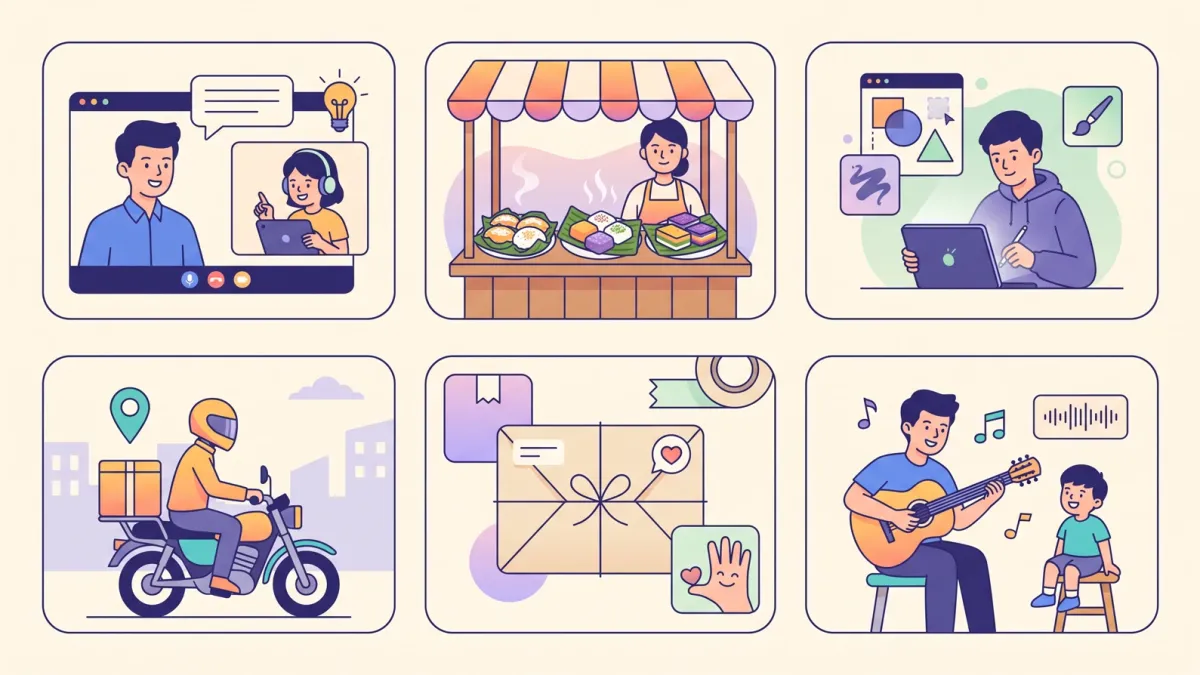
The best side hustle usually uses something you already know or already have. Some realistic options:
Skills-based (online)
- Online tutoring: English, math, science or test prep, for local students or clients abroad.
- Virtual assistance: email management, scheduling, data entry, customer support.
- Graphic design and video editing: social media posts, invitations, short videos for small businesses.
- Writing and translation: blog posts, product descriptions, Filipino-English translation.
Selling (online or offline)
- Food: baked goods, ulam packs, kakanin, frozen food for busy families. Start with orders from officemates and neighbors.
- Reselling: preloved clothes, gadgets or items you buy wholesale. Margins can be thin, so track costs carefully.
- Crafts: personalized gifts, keychains, plants, handmade accessories.
Services (weekends)
- Photography for birthdays and small events.
- Repairs and installation: aircon cleaning, phone repair, basic carpentry.
- Hair, makeup and nails for events, if you're trained.
- Pet sitting, errands and delivery, depending on your area.
How to choose the right side hustle for you
Ask four questions:
- What can I do well already? Learning a new skill takes time before it pays.
- How many hours do I really have? Be honest about weeknights and weekends.
- How much do I need to start? Services and online work usually need little capital; selling products needs inventory.
- Is there demand around me? Your officemates, neighbors and online community are your first customers.
Start with the option that scores best on all four, even if it isn't the most exciting.
Pricing: don't work for free by accident
Many new sellers underprice because they only count ingredients or materials. Your price should cover:
- materials or ingredients;
- packaging and delivery;
- platform or payment fees;
- your time, even if it's modest at first;
- a margin for mistakes, returns and slow weeks.
If a batch of ₱1,500 in ingredients sells for ₱2,000 but takes six hours of work, you earned about ₱80 an hour, before fees and gas. That might be fine to start, but you should know the number. Tracking every cost for the first month is the only way to know if your raket actually pays.
Register and stay legit
Once your side hustle becomes regular, take care of the legal basics. Business names are registered with the Department of Trade and Industry, and income from a business or profession has tax obligations with the Bureau of Internal Revenue. The rules and options change, so check the current requirements or ask an accountant. If you're self-employed or earning outside a regular job, you can also keep your SSS contributions going as a voluntary or self-employed member.
It feels like extra hassle, but it protects you and makes it easier to grow later, for example when a bigger client asks for an official receipt.
What to do with your side hustle income
This is where most side hustles fail quietly. The extra money arrives in small, irregular amounts, lands in the same GCash as everything else, and disappears into daily spending. Three months later, you're tired and not richer.
A simple system:
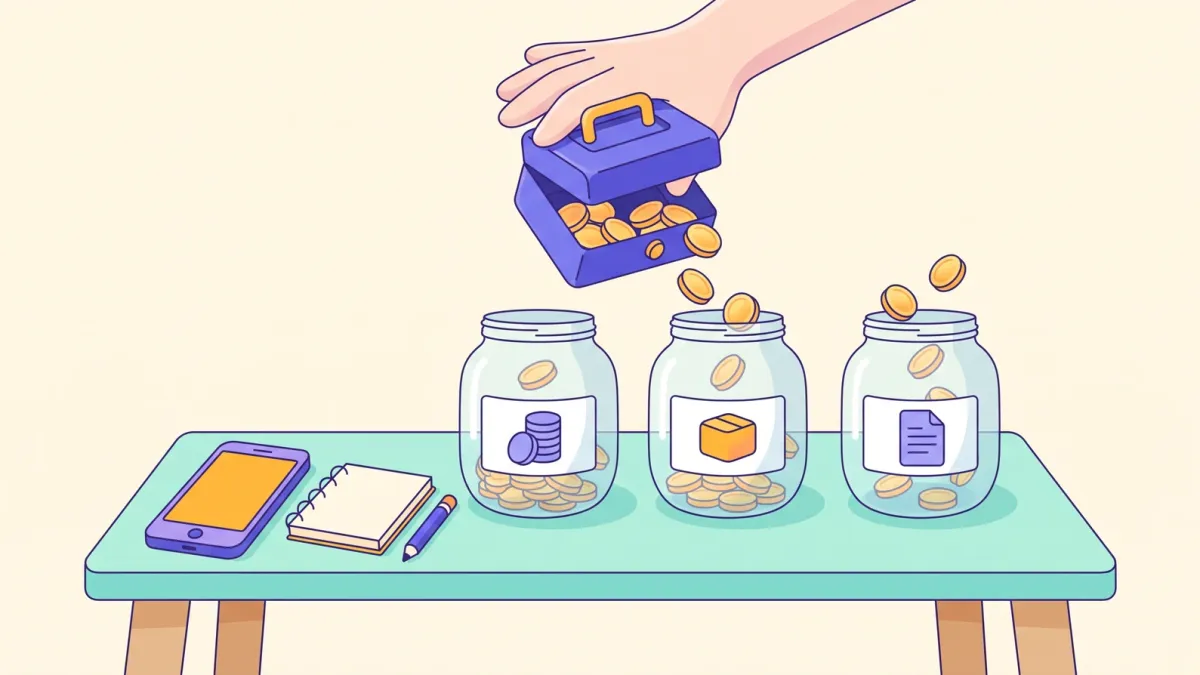
- Keep it separate. Use a different wallet or account for side hustle money.
- Set aside costs and tax first. Restocking, supplies and a tax reserve come out before you count anything as profit.
- Save a fixed percentage. For example, 20–30% of every payout goes straight to savings or debt.
- Give the rest a job. Decide in advance what the side hustle is for: an emergency fund, paying off a credit card, a laptop, a trip.
Since side hustle income is irregular, the approach in our guide to budgeting on irregular income works well here too: pay yourself a steady amount and let good months build a buffer.
Start small and test first
Before buying equipment or stock, test demand cheaply. Take pre-orders from officemates, offer your service to two or three people at a friendly price, or post a sample in your community group. If people pay, grow slowly. If they don't, you've learned something without losing much.
Watch out for fake "opportunities"
Not everything sold as a side hustle is one. Be careful with:
- anything that asks you to pay a fee to start earning;
- schemes where income comes mainly from recruiting other people;
- "guaranteed" daily returns or "passive income" packages;
- job offers that ask for your GCash or bank OTP.
The Securities and Exchange Commission publishes advisories on investment schemes, and our lesson on how to spot investment scams covers the warning signs. If you have to pay to get paid, walk away.
Protect your main job and your health
A side hustle should add to your life, not wreck it. Keep your main job solid, since it's usually your most reliable income and often comes with benefits. Protect your sleep. And check your employment contract for any rules about outside work.
If the side hustle starts earning close to your salary, that's the moment to decide whether to grow it seriously, not before.
Track the raket like a business
The simplest way to know if a side hustle is worth it is to track it separately. In Iponista, you can add a separate wallet for your side hustle, log sales and costs as income and expenses in seconds, and see at the end of the month what it really earned. Moving part of every payout into a savings goal takes one tap.
Pick one idea that fits your skills and your hours, set up a side hustle wallet in Iponista, and give the first month's profit a clear job. That's how a raket turns into real progress.
This article is for education and general guidance, not personal financial, legal or tax advice.
Frequently asked questions
What is a good side hustle in the Philippines?
The best side hustle uses a skill you already have and fits the hours you actually have free. Common options include online tutoring, freelancing, selling food or products, reselling, and weekend services like photography or repairs.
Do I need to register my side hustle?
If it becomes a regular business, generally yes. Registration and tax rules depend on your situation, so check the current requirements with the BIR, and with the DTI if you'll use a business name.
How much should I save from side hustle income?
Set aside money for taxes and business costs first, then save a fixed percentage, like 20–30%, before spending the rest. Treat it as separate from your regular sahod.
How do I avoid side hustle scams?
Be wary of any 'opportunity' that asks you to pay first, recruit others, or promises guaranteed high income. Legitimate clients pay you, not the other way around.