The True Cost of Paylater: SPayLater, GGives and Buy Now Pay Later in the Philippines
"Only ₱2,360 a month" sounds small. But a 3% monthly add-on rate is close to 60% a year. Here's how to compute the real cost of paylater and BNPL in the Philippines, the traps to avoid, and a simple rule for using it safely.
 By the Iponista team · October 19, 2026 · 3 min read
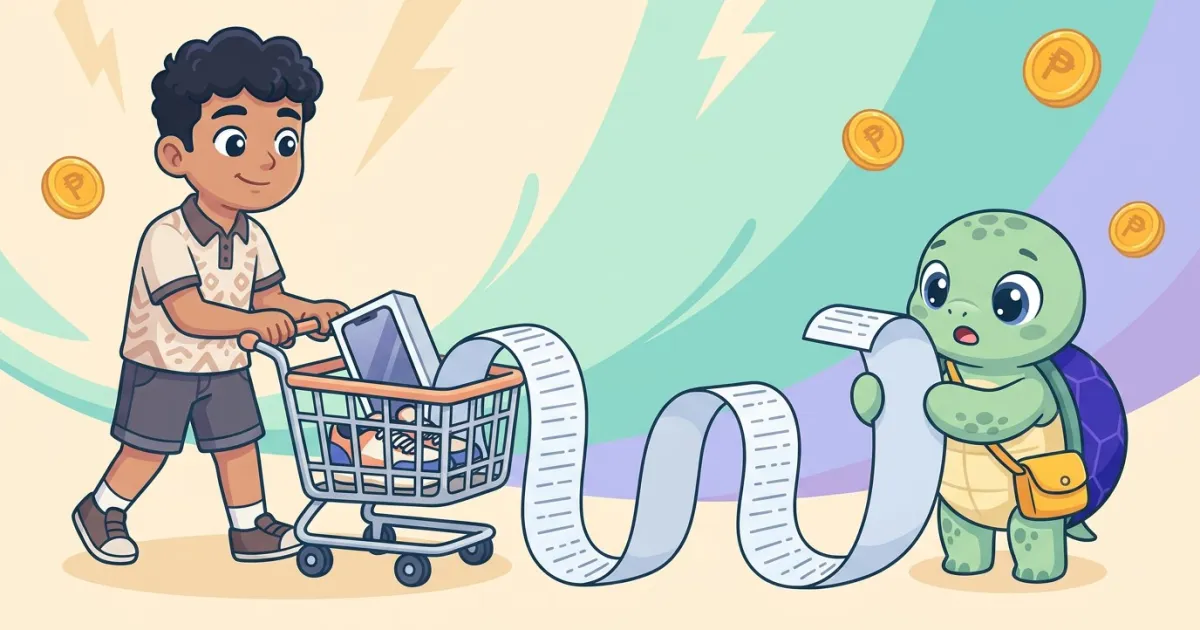

Paylater is everywhere: SPayLater at checkout, GGives in GCash, LazPayLater, BillEase, Atome, Home Credit at the mall. The pitch is simple. Get it today, pay a small amount every month. And it works, which is exactly why so many people end up with four or five paylater bills at once.
Paylater isn't evil. It's a loan, and like any loan it has a price. This guide shows how to find that price before you tap "confirm".
The add-on rate trick
Most paylater plans quote a monthly add-on rate, like 2% to 4% a month. The interest is computed on the full original amount for the whole term, even though you're paying it down every month. That makes the real cost much higher than it sounds.
Here's a ₱12,000 phone on a 6-month plan at a 3% monthly add-on rate:
| Item | Amount |
|---|---|
| Price of the phone | ₱12,000 |
| Interest: ₱12,000 × 3% × 6 months | ₱2,160 |
| Total you pay | ₱14,160 |
| Monthly payment | ₱2,360 |
| Real rate on the money you actually still owe | Close to 5% a month, nearly 60% a year |
Why so high? In month six you only owe about ₱2,000 of the original price, but you're still paying interest as if you owed all ₱12,000. That's the add-on effect.
Other costs to check
- "0% interest" with a processing fee. A one-time fee is still a cost. A ₱500 fee on a ₱6,000 purchase over 3 months is a big rate for a short loan.
- Late fees and penalties. Miss a due date and the fee is added on top. Some plans charge it every month you're late.
- Higher prices. Sometimes the item costs more when you choose installment, or a cash discount disappears.
- Credit limits that grow. Paying on time raises your limit, which makes it easier to borrow more next time.
- Credit records. Many lenders report to the Credit Information Corporation. Late paylater payments can follow you when you apply for a credit card or a loan. See our guide on checking your credit score.
The real problem: stacking
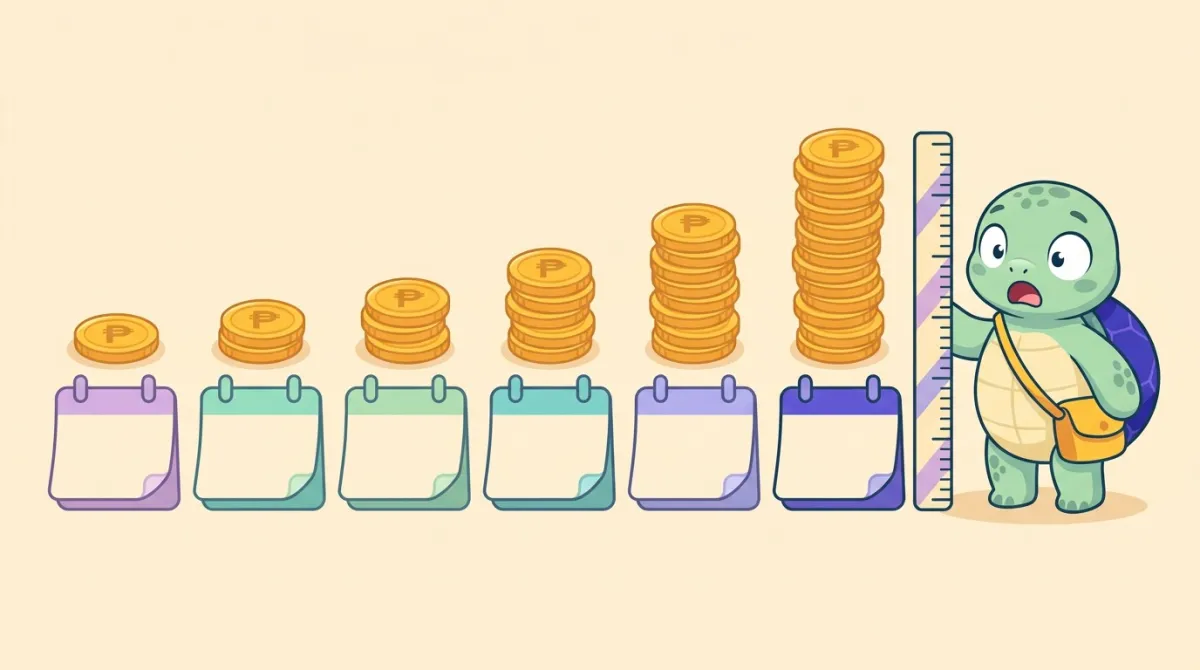
One ₱2,360 payment is manageable. The trouble is that each "small" plan feels separate. A phone, a pair of shoes, an 11.11 haul and a gadget for your partner can quietly become ₱8,000 a month, every month, for half a year. That's money your future sahod has already spent.

When paylater can make sense
- A true 0% plan with no processing fee, for something you were going to buy anyway and could pay in cash.
- A needed item, like a laptop for work, where the monthly payment fits your budget with room to spare.
- Only one plan at a time, never a new one before the last one is done.
It doesn't make sense for wants you'd skip if you had to pay cash, for sale items you didn't plan, or for anything when you're already behind on another bill. The Academy lesson on the true cost of paylater has more examples, and our 11.11 sale budget guide helps you shop without overloading next year's sahod.
How to keep paylater under control in Iponista
- Add every plan as an installment. Enter the amount, the monthly payment and the schedule. Iponista shows what's left and the next due date for each one.
- See all your payments in one place on the bills and payday calendar, so you know what's due before each sahod.
- Turn on reminders so you never pay a late fee.
- Check the cash-flow forecast before saying yes to a new plan. If the line dips too low before payday, that's your answer.
- Ask Ponpon how much you've spent on shopping this month, and look at Statistics to compare it with last month.
Paylater is a tool, not free money. Open Iponista, add your current plans, and see your real monthly total. If it's already too high, our step-by-step plan to get out of debt can help.
Frequently asked questions
How much interest does paylater charge in the Philippines?
Many paylater plans charge a monthly add-on rate, often around 2% to 4% a month, computed on the full original amount for the whole term. A 3% monthly add-on rate over 6 months works out to close to 5% a month, or nearly 60% a year, on the balance you actually still owe.
What is an add-on interest rate?
It is interest computed on the full amount you borrowed for the whole term, even as you pay it down. That makes the real cost higher than the quoted monthly rate.
Is 0% paylater really free?
Only if there is no processing fee, no higher price for choosing installment and no late fee. A one-time processing fee is still a cost and can make a short plan expensive.
Does paylater affect my credit score?
It can. Many lenders report to the Credit Information Corporation, so late payments may show up when you apply for a credit card or loan later.
How much paylater is safe?
A simple rule is to keep all paylater and installment payments together under 10% of your monthly take-home pay, and to finish one plan before starting another.